Is döner healthy?
Short answer
It can fit a balanced meal of roasted meat, vegetables, and bread. Portion, sauce, cheese, and whether the base is bread, salad, or fries decide the result.
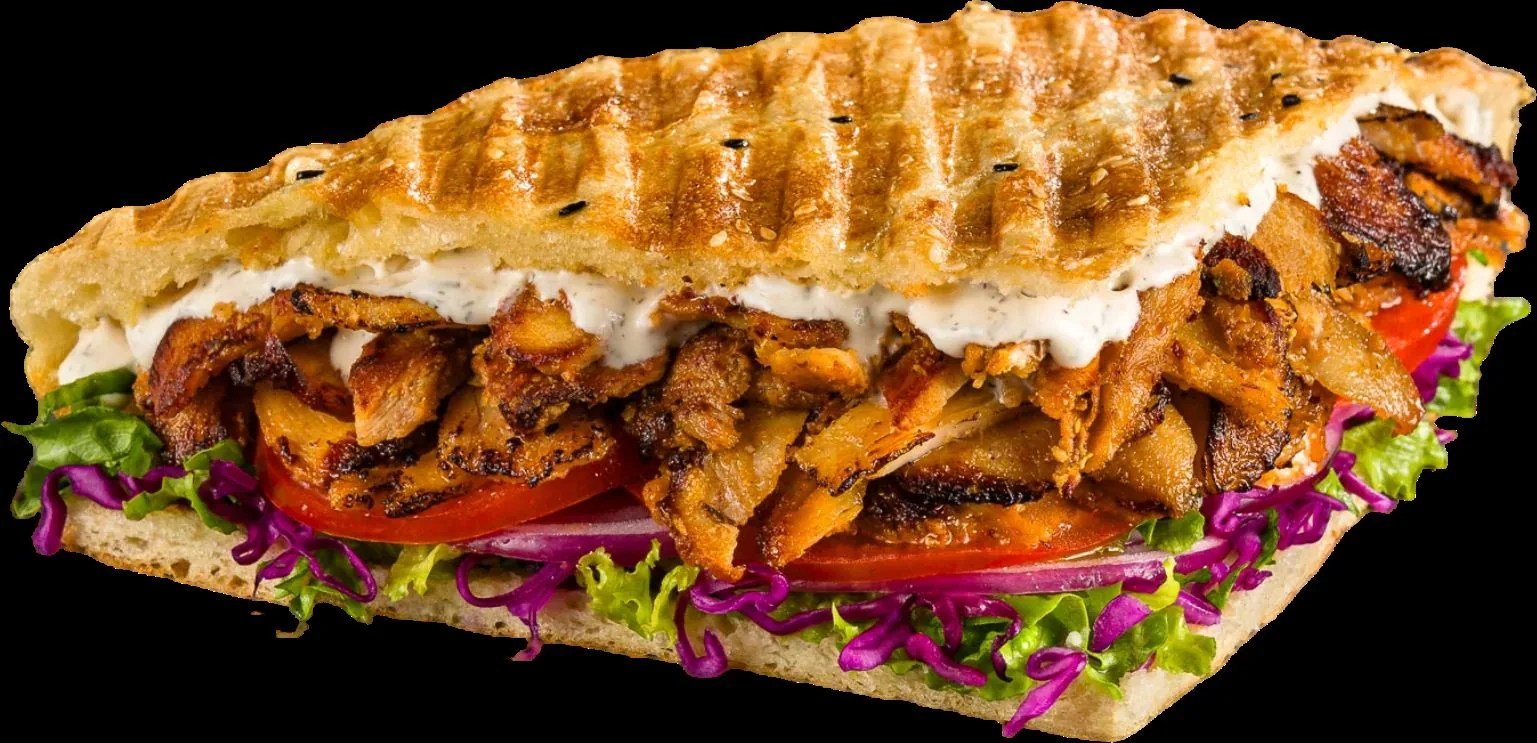
It can fit into a balanced diet. A sandwich can combine protein, vegetables, and grain in one meal; it can also be large, sauce-heavy, salty, or built over fries. The exact ingredients and portion matter more than the category name.
One useful benchmark is Harvard’s Healthy Eating Plate, which emphasizes vegetables, whole grains, and varied protein sources. A vegetable-heavy döner has some of those elements, but conventional white pide is a refined grain, red and processed meats are not equivalent to poultry or legumes, and creamy sauce changes the fat and energy content.
What makes it heavier
Portion size comes first. A thick layer of meat, large bread, multiple creamy sauces, cheese, and fries can make one order very different from a smaller sandwich with more salad. Sauce names are unreliable: herb and garlic sauces can contain oil, egg, or dairy, while chile sauce can contain sugar or oil.
A fries box adds fried potatoes under the toppings. A salad box removes the bread but does not necessarily reduce meat or sauce. A wrap may use less bread by volume, but only the operator’s serving data can confirm that.
Current menus show why one answer cannot cover all shops. GDK USA offers the original sandwich, a wholemeal “Kcal” bread, boxes, rice, burgers, and a vegetarian patty. Döner Haus has a narrower sandwich, wrap, and box structure. DonerG combines döner with broader Turkish and Mediterranean plates. Compare the item, not just the operator category.
| Choice | Often lighter | Often heavier |
|---|---|---|
| Base | Salad | Fries, extra bread |
| Sauce | On the side, or chile without cream | Multiple creamy sauces |
| Add-ons | Extra salad | Cheese, extra meat |
| Format | Smaller sandwich if the shop sells one | Loaded box or burger |
“Kcal” in an item name is a marketing label, not a nutrition panel. GDK’s wholemeal Kcal Kebab still uses meat, sauce, and bread; it is a different sandwich, not a calorie count you can reuse elsewhere.
Sodium is the quiet variable. Cured or heavily seasoned cones, cheese, and bottled sauces can make a sandwich lunch saltier than it looks. Harvard’s plate is a pattern for assembling meals.
Chicken versus beef changes the meal only as much as that shop’s cones differ. A lean chicken portion with two creamy sauces can outrun a smaller beef sandwich with chili and extra cabbage. See chicken or beef. Vegetarian fillings shift the protein source; they do not automatically lower energy if they are fried and sauced. See is there a vegetarian döner.
If sodium, saturated fat, or another nutrient matters medically, use published nutrition for that exact item or ask a qualified clinician; visual guesses will not get you there.
See how many calories are in a döner, what a döner box is, and the Döner Guide nutrition chapter.
Related questions
How many calories are in a German döner?
There is no category-wide number. Bread size, meat portion, sauce, cheese, and fries can change it substantially.
Is a salad box automatically healthier?
It usually removes bread, but meat and sauce portions may stay large. Fries under the same toppings go the other way.