Is döner good cold?
Short answer
Safe if it was refrigerated on time, and usually disappointing. Spit meat is fatty by design and that fat sets when it cools, so cold döner reads waxy rather than refreshing. Reheat the meat instead.
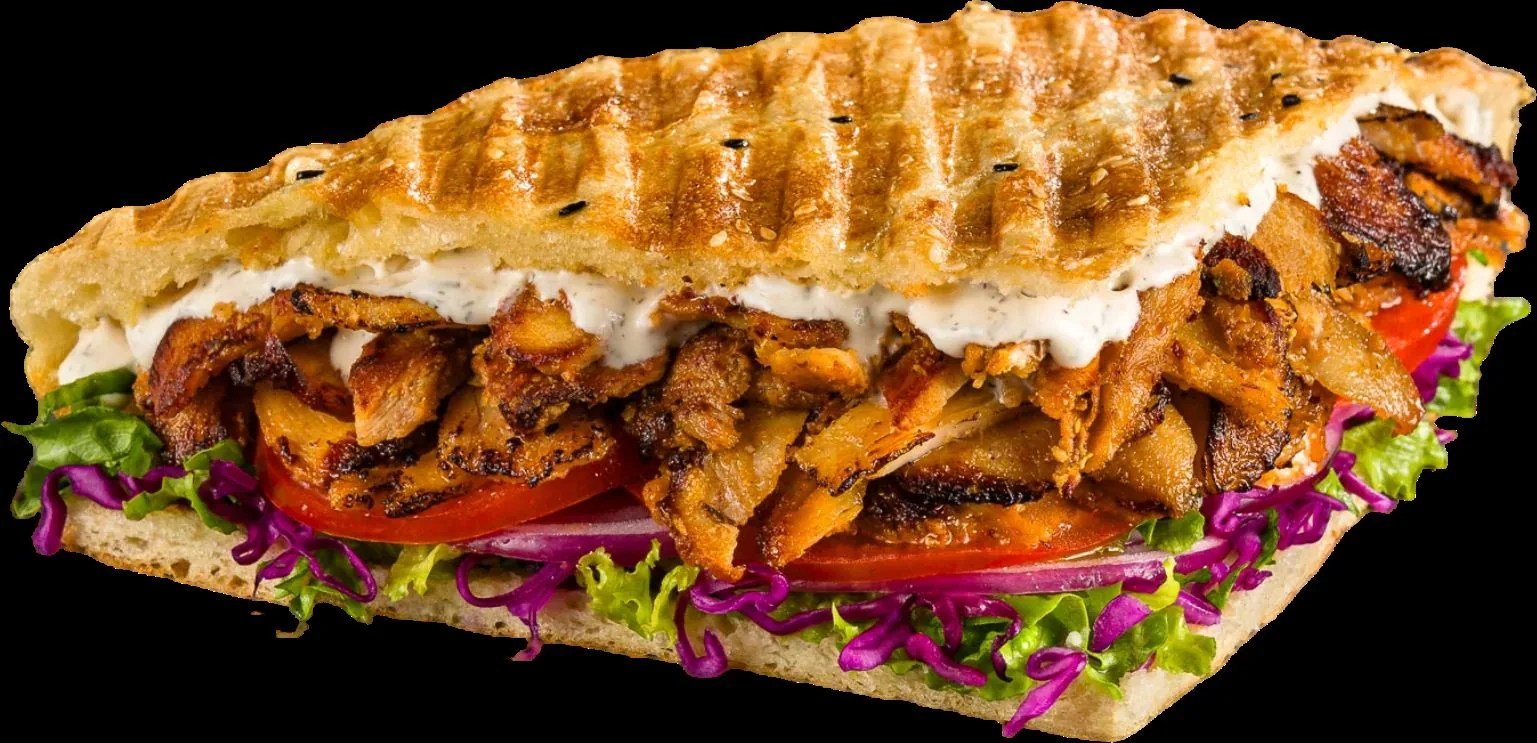
Safe if it was handled properly; usually disappointing. The food-safety answer and the eating answer point in different directions.
Start with safety, because it is the shorter half. The USDA’s danger-zone guidance is that bacteria multiply fastest between 40°F and 140°F, that food should never be left out of refrigeration for more than two hours — one hour above 90°F — and that cold food should be held at or below 40°F. Properly refrigerated leftovers eaten cold within the three-to-four-day window are not a food-safety problem. A sandwich that rode around in a bag all evening is, whether you eat it cold or reheat it.
Why it disappoints
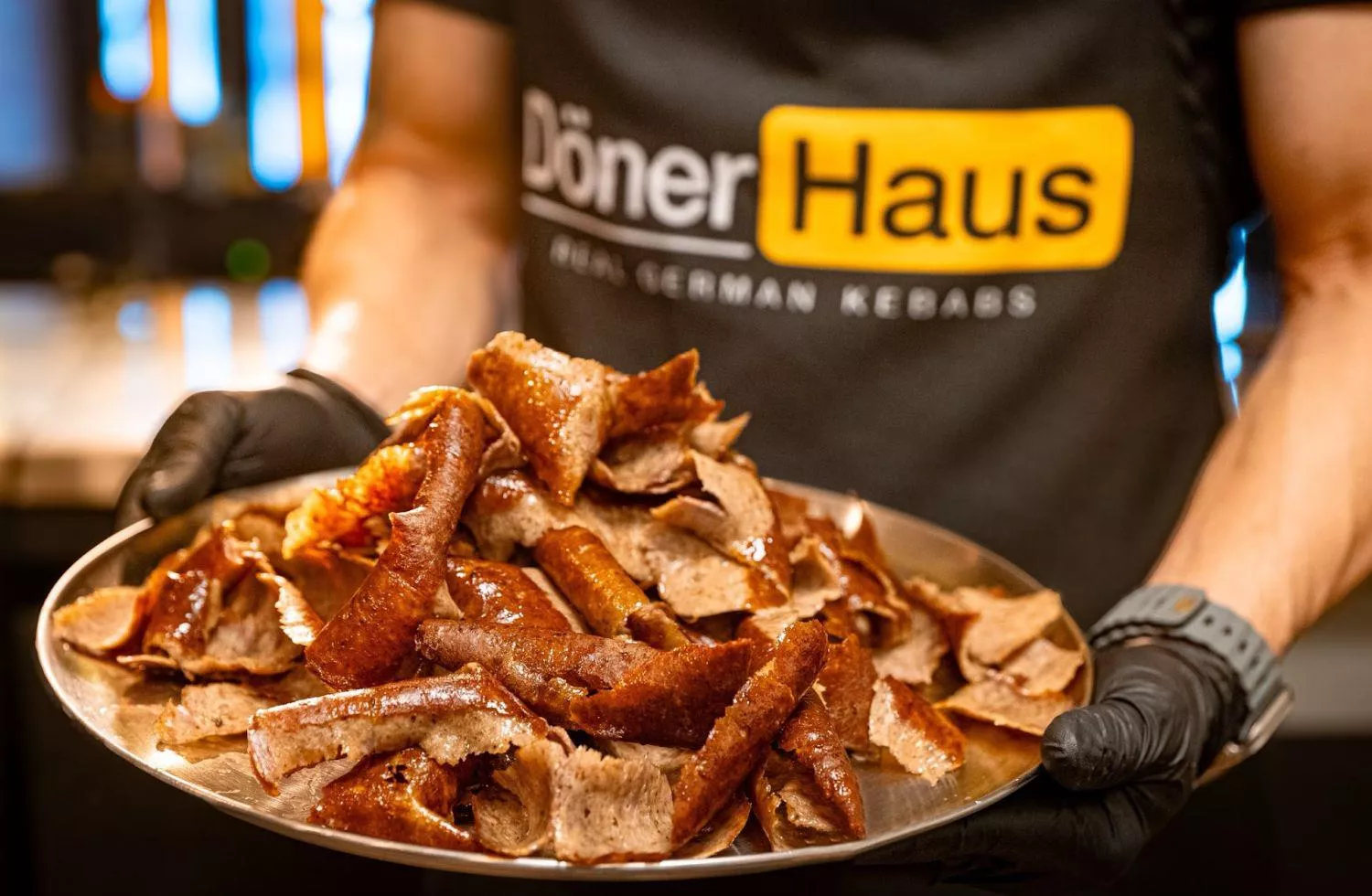
A döner cone is built with enough fat to keep basting itself as it turns. That is deliberate and it is most of the reason the shaved edge tastes the way it does. Cooled to fridge temperature, that fat solidifies, and thin slices of set fat coat the mouth in a way roast chicken or sliced ham do not. Nothing has gone wrong; it is just the wrong temperature for this particular meat.
| Component | Cold verdict |
|---|---|
| Shaved meat | Waxy and muted; the part most worth reheating |
| Toasted pide | Stale and tough; better re-toasted or skipped |
| Cabbage and salad | Fine cold, if it has not been sitting under sauce |
| Creamy sauce | Fine cold, if it smells and looks sound |
| Fries | The worst of it |
There is one exception worth knowing. Chicken döner, being leaner than a beef or lamb cone, holds up noticeably better cold, and a cold chicken-döner salad box with the sauce added fresh is a perfectly good desk lunch. That is a property of that cone at that shop rather than a rule; see chicken or beef.
Take the meat out, heat it until it is steaming, and put it back with fresh salad. The USDA figure for reheating leftovers is 165°F, and “hot and steaming” is the practical version of it. Full method: can you reheat döner.
If reheating is not available — a train, an office with no microwave — order with that in mind rather than working around it afterwards. A salad box with the sauce on the side, chicken rather than beef, and no fries survives a few cold hours far better than a sauced sandwich.
If the meal is going to be eaten hours later either way, the storage decisions matter more than the temperature you finally eat it at. See leftovers and can you freeze döner. And if it smells sour or the sauce has broken into something slimy, the temperature question is moot.
Related questions
Is cold leftover döner safe?
If it went into the fridge within two hours and is inside the USDA’s three-to-four-day window, cold storage is the point of a fridge.
What about a cold döner from a delivery order that arrived lukewarm?
Lukewarm is the problem, not cold. Food should be kept above 140°F or below 40°F, not in between.