Is döner halal?
Short answer
Döner can be halal. Certification may apply to a product, a supplier, or a location, so check what is covered and whether the kitchen handles non-halal food.
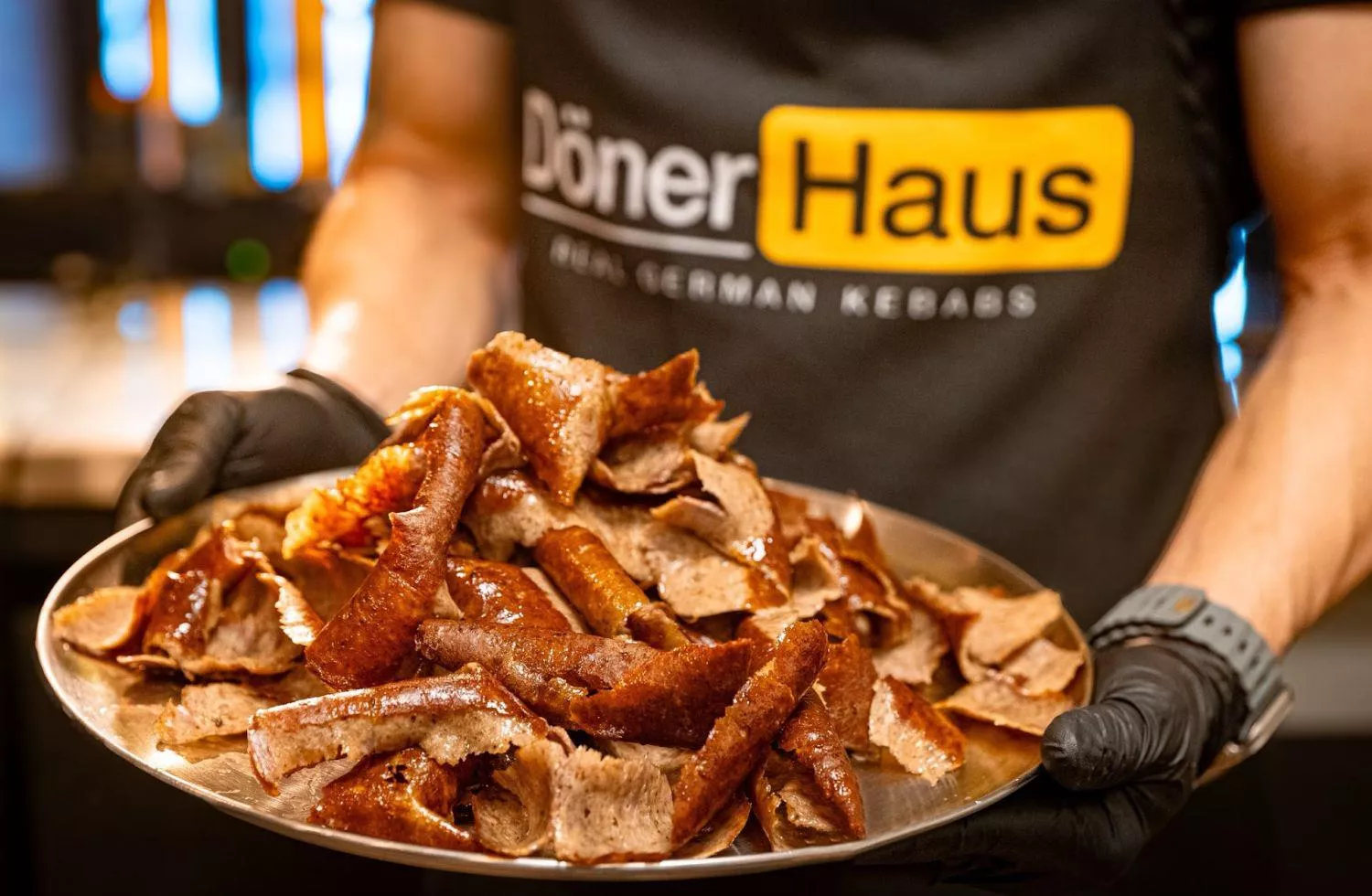
Döner can be halal. Status depends on the meat, ingredients, handling, and the scope of any certification. Pork gyro falls outside that standard. Beef and chicken can be prepared in a halal way; the animal name is still not a certificate.
“Zabiha” generally refers to slaughter carried out according to Islamic requirements. Certification can examine more than slaughter. The Islamic Food and Nutrition Council of America explains that its process considers ingredients and materials that can contact a product, including processing aids, packaging, and cleaning chemicals. That still does not mean every certificate covers an entire restaurant: it may cover one meat product, one facility, or a defined menu.
Three different questions
Meat, certification, and the kitchen.
A halal claim can describe the purchased meat without certifying every sauce, surface, or menu item. The scope is the part worth checking.
Which meat or ingredient carries the certification?
Does the certificate identify this restaurant or only a supplier?
Are non-halal foods or shared equipment present?
Operator examples
In August 2026, DonerG described its Turkish döner as halal-certified, while Döner Haus described all its meats as Zabiha halal — filler-free, the higher slaughter standard named on the public site. Those are the companies’ current public claims. GDK’s international allergen information is useful for seeing ingredient complexity, including poultry inside the beef doner, but it is not proof about a US location’s halal status.
Kotti answered the question itself. As of the latest owner reply, the chicken is not certified halal. The current menu also sells German beer and wine with the sandwich. Directories that still call the stall certified, or alcohol-free, are behind.
Halal and “filler-free” are separate questions. A certified product may lawfully contain wheat, soy, dairy, or other ingredients, and those ingredients can matter for allergies even when they meet the certifier’s halal standard.
A short checklist at the counter
- Who is the certifier, and can you see a current certificate?
- Does it name this product, this manufacturer, or this restaurant?
- What are the issue and expiry dates?
- Does the kitchen handle pork, alcohol, or non-certified meat?
- Are sauces, fries, and bread included in the claim, or only the meat?
A window logo does not state the certifier, the product, or the expiry date. Cuisine labels such as “Turkish,” “German,” or “kebab” do not appear on the certificate.
Alcohol in the kitchen is a separate handling question some customers care about: cooking wine, beer batter, or a bar in the same room. Many compact döner counters have none of those. A mixed restaurant might. The certificate will not always mention it unless you ask.
A gyro shop serving pork on the same spit or slicer is a different operation, even if the chicken cone came from a halal supplier.
Read more in the Döner Guide’s meat and halal chapter.
Related questions
Does chicken or beef make it halal?
No. Those species can be prepared in a halal way, but the name of the animal is not a certificate.
Is filler-free the same as halal?
No. A certified product may still contain wheat, soy, or dairy. Those are separate questions.